
How donation works
Donation: The full story
What to expect from marrow and peripheral blood stem cell (PBSC) donation, from the day you register to the day your cells reach a patient.
Step 1: Registration
The registry is a national pool of potential unrelated donors. You join by completing a short online form and swabbing your cheeks, and you stay available for matching until age 61 or until you ask to be removed.
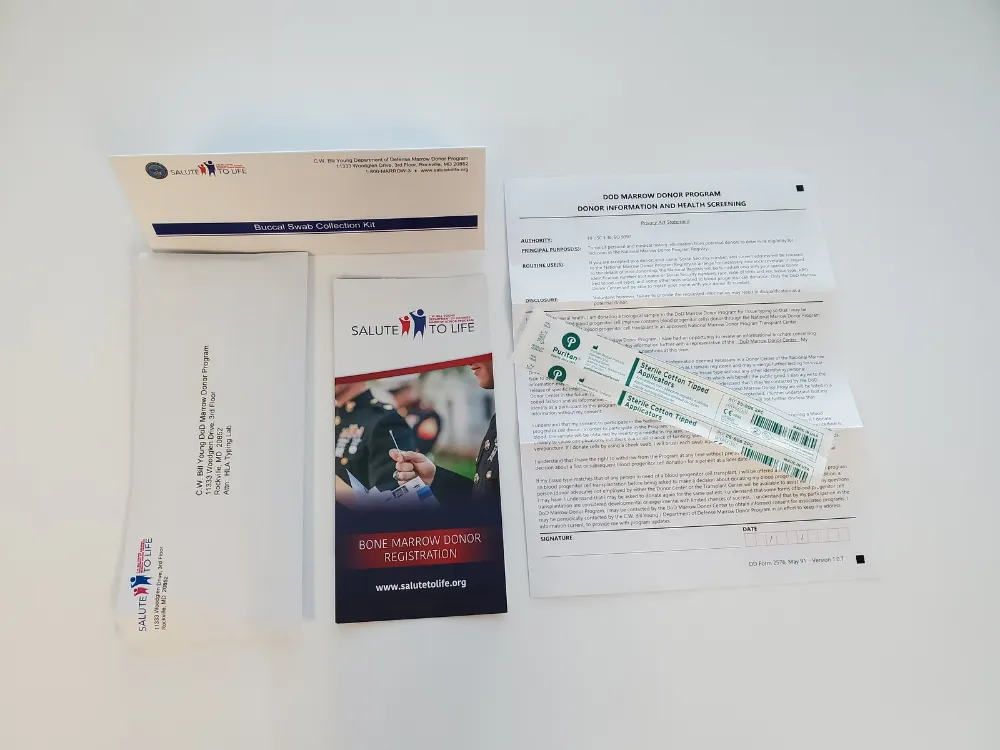
What's in the kit
- Educational materials
- Cheek swabs and instructions
- A return envelope
You'll also complete a short online form with your contact details and a few honest health questions.
A welcome email or text confirms you're on the registry.
Three ways to join
Step 2: HLA typing
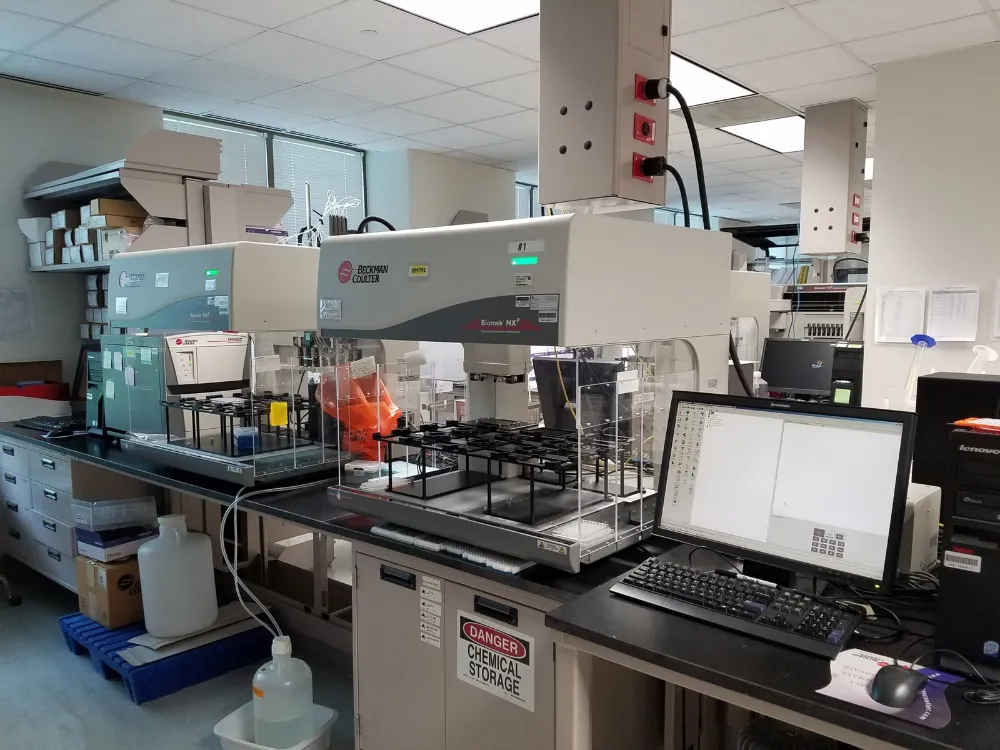
Donors and patients are matched by human leukocyte antigen (HLA) type. The lab extracts DNA from your swabs, amplifies it and tests six genes. Your record is listed under a donor ID, so the registry shows your HLA type without your personal information.
Kits stay stable at room temperature for weeks or months, so they can be shipped from anywhere. Full processing can take several weeks.
Genes tested
Step 3: Donor–patient matching
More than 17,000 Americans are diagnosed each year with diseases that need a marrow transplant (HRSA, 2018). The best donor shares the patient's HLA type as closely as possible, is in good health and has a compatible blood type — and is ready to say yes.

70%
of patients can't find a matching donor in their family
1 in 430
chance that a registered donor goes on to donate
50%
of matched registrants are unwilling or unable to donate
Figures as of 2026
Statistics courtesy of NMDP.
Step 4: Donation
We'll reach you by phone, email or text, then by letter. A coordinator is assigned to you and guides you through each step.
- Confirm your identity and complete a health history questionnaire, about 20 minutes by phone.
- Sign consent forms and, if needed, give a blood sample locally.
- Have a physical exam.
- A physician reviews your results for risk and clears you to donate.

Two ways to donate
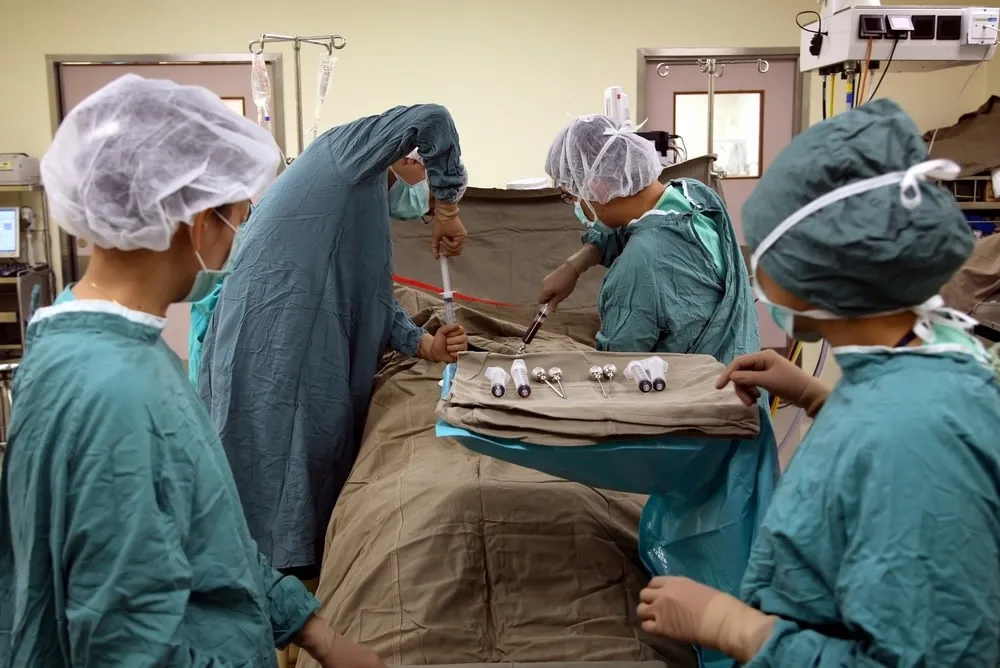
| Detail | PBSC donation | Marrow donation |
|---|---|---|
| Where | Apheresis Center | Collection Center (hospital) |
| Beforehand | Five days of filgrastim injections | — |
| Procedure | 4–8 hours of apheresis | Under anesthesia, usually under two hours; most donors go home the same day, and some stay overnight |
| Median recovery | About 7 days | About 20 days |
What's covered
- All medical costs
- Airfare or mileage and hotel
- Travel for a companion on the donation trip
- Childcare and pet care expenses
- Reimbursement for out-of-pocket costs
Not covered: luxury travel, sightseeing, alcohol and incidentals.
Time off to donate
Military: leave requires a memo to your command, which we can prepare for you. A command may decline.
Civilian: leave depends on your employer and state. NMDP tracks donor-leave laws and employers who offer it.
Step 5: Afterwards
Your cells are packed, couriered and infused into the patient, who has been prepared with chemotherapy or radiation. Doctors hope to see engraftment within 30 days, and the patient may spend 100 days or more in the hospital.
Your recovery
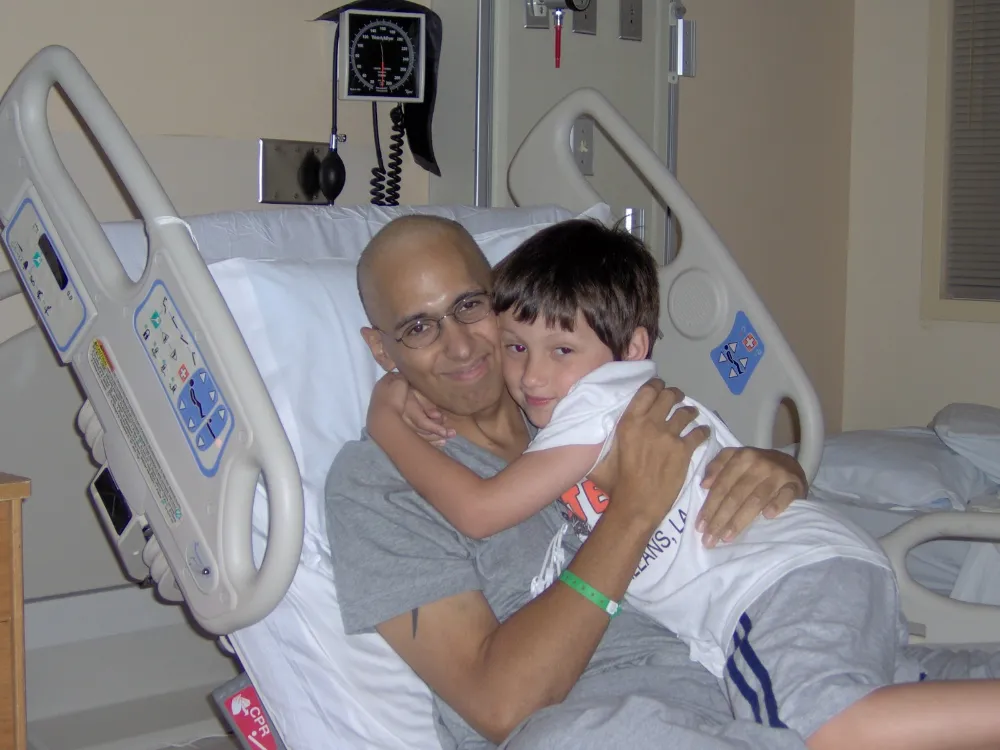
Marrow donors avoid heavy lifting and submersion for two weeks. PBSC donors avoid NSAIDs and aspirin for two days. If medical care is needed during recovery for donation-related indications, coverage is provided.
General guidance only, not medical advice. Follow your physician's instructions.
Paperwork and reimbursement
You'll submit expenses for reimbursement through an app, and your coordinator will help you get started. Your coordinator will also follow up with you after donation.
Hearing about your patient
Information and potential contact policies vary. This will be discussed with you by your coordinator.
Take it full circle
Help grow the registry: post flyers, send emails, host a drive or open a walk-in site at your installation. Our recruiters will help you get started.
Or call 1-800-627-7693.